Filing a Property Damage Claim in Hawai'i: Tips for Success
Read time: 5-6 minutes
Key Takeaways
- Know your coverage before disaster strikes - Understanding whether you have actual cash value or replacement cost coverage can mean thousands of dollars difference. Review your policy now and talk to your agent about gaps like flood or hurricane coverage.
- Document everything immediately - Take photos before disposing of anything, save all receipts for emergency repairs, and keep detailed notes of every conversation with claims representatives.
- File promptly to protect your claim - Hawai'i allows a one-year period to file a property damage claim from the date the loss occurred, though your insurance policy may allow longer deadlines to file your claim. In Hawai'i's humid climate, evidence deteriorates within days, making delayed claims harder to prove.
- You have support throughout the process - Your local insurance agent can guide you through filing, and the Hawai'i Insurance Division offers free consumer assistance at (808) 586-2790 if questions or problems arise.
Property damage hits Hawai'i residents every year in countless ways: strong winds damage roofs, flash floods inundate garages, aging pipes burst and flood apartments, or trees crash through windows during storms. Filing your claim properly and knowing your coverage limits saves time, money, and frustration.
Processing Your Claim Fairly
A common misconception is that insurance companies look for reasons to deny claims. The reality is different: we're in business to protect our policyholders when covered losses occur, and paying valid claims is what we're here to do. At Island Insurance, our knowledgeable local claims teams work diligently to approve legitimate claims quickly and fairly.
However, we cannot pay for damage that's specifically excluded from your policy, claims that aren't valid under the terms of your coverage, or claims lacking the documentation we need to verify the loss. By providing thorough documentation and accurate information from the start, you help us process your claim efficiently.
Our claims teams are trained professionals who investigate each claim carefully, collect necessary information, and work with you throughout the entire process. We're here to guide you through what can be a confusing and stressful experience. Submitting a well-documented claim speeds up the process so you can receive your settlement sooner.
Understand Your Policy
Your insurance policy is a contract with specific terms about coverage limits, deductibles, and covered damages. Before reporting property damage, check your policy's deductible [2]. If the damage exceeds your deductible or is extensive, file a claim with your insurance company.
Some policies pay actual cash value (what your damaged item was worth when it was damaged), while others pay replacement cost (what buying a new item costs today when actually replaced). The difference can be thousands of dollars. There are limitations on certain property such as jewelry, which you can discuss with your agent.
Certain types of damage, like flooding or hurricane damage, may require separate coverage beyond standard homeowners or renters insurance. These specialized policies are available through various insurance providers and government programs. Not sure where to start? Contact a local insurance agent.
Filing a Claim: Deadlines Matter More Than You Think
Hawai'i law allows insurance companies to require that property claims be submitted no later than one year after the loss [5], though private insurance policies may impose longer deadlines. Filing quickly keeps evidence fresh, witnesses' memories accurate, and prevents minor damage from spreading. In Hawai'i's climate, humidity and weather can destroy evidence or worsen damage within days. After the deadline passes, you lose your right to file. Why risk missing out on coverage you've paid for?
Your Step-by-Step Action Plan
When property damage strikes, your first few actions make all the difference in how smoothly your claim proceeds. Here's what to do, step by step, to protect yourself and maximize your coverage.

- First: Stay Safe Don't enter damaged buildings without checking for hazards. Electrical problems, structural damage, and gas leaks can be deadly. When in doubt, call professionals first.
- Second: Start Documenting Your phone camera becomes your most important tool. Take wide shots showing overall damage. Take close-ups of every damaged item. Photograph serial numbers, brand names, and model numbers when visible.
- Create written lists describing each damaged item. Include purchase dates and original costs when you remember them. Don't guess, estimate honestly.
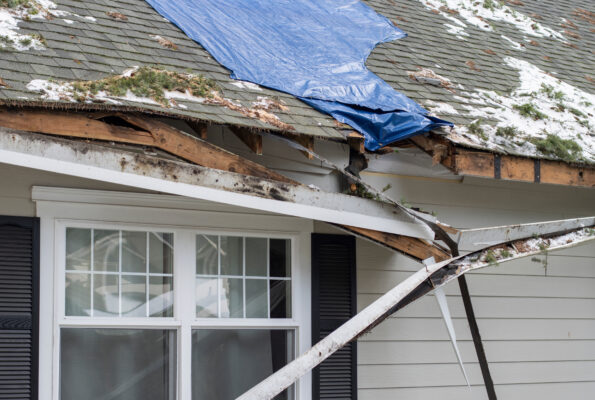
- Third: Stop Further Damage Cover broken windows. Tarp damaged roofs. Remove standing water quickly to prevent mold. Save every receipt from emergency repairs. Most policies cover reasonable protective measures.
- Fourth: Call Your Insurance Company Report claims immediately. Have your policy number ready. Stick to facts about what happened and when. Let the adjuster determine coverage.
- Fifth: Cooperate Fully Your insurance company will assign an adjuster to investigate. Provide requested documents promptly. Answer questions honestly. Keep notes about every conversation, including dates, times, and names.
Avoid These Expensive Mistakes
- Cleaning Up Too Fast: Take photos of everything before disposing of anything. Furniture might be repairable, and electronics that look ruined could still work after professional assessment. Adjusters cannot evaluate damage they cannot see.
- Waiting to Report: Waiting weeks after a storm makes it harder to prove when damage occurred. Many policies require prompt notification, and failing to report quickly could jeopardize your entire claim.
- Making Poor Temporary Repairs: Protect your property carefully while waiting for permanent repairs. Use quality tarps and proper fasteners that withstand Hawaii's trade winds. Document all work with photos and keep detailed receipts—policies reimburse protective measures only with proof of costs.
- Going It Alone: Talk to your local insurance agent to understand your policy and get help walking through the claims process.
Working with Your Claims Team
Throughout the claims process, you'll work with several people: claims representatives handle your initial report, adjusters investigate and inspect your property, and appraisers may assess the value of damaged items. Some companies assign specialists for specific damage types like water or fire losses.
Cooperate with reasonable requests, provide property access when needed, and answer questions truthfully. Document everything: phone calls with names and dates, emails, in-person meetings, and all decisions made about your claim.
Before disaster strikes, take three key steps to protect yourself:
First, sit down with your local insurance agent to review your coverage. Make sure you know exactly what's protected and what isn't. Next, walk through your home with your phone and photograph everything of value. Upload those photos to cloud storage or put copies in a safety deposit box. Finally, save your agent's contact information in your phone so you can reach them right away when you need help.
When you understand your coverage, know the claims process, and have support resources ready, you transform potential disasters into manageable situations. Prepare today so you're ready if disaster strikes tomorrow.
Disclaimer: This article provides general educational information only and should not be considered professional advice or a recommendation for specific coverage. Insurance needs vary based on individual circumstances. Readers should consult with qualified insurance professionals for personalized guidance. This content does not constitute an offer to sell insurance or guarantee coverage availability.
Frequently Asked Questions
Hawai'i law allows insurance companies to require that property claims be submitted no later than one year after the loss, though private insurance policies may impose longer deadlines. Filing quickly keeps evidence fresh and prevents minor damage from spreading, especially in Hawaii's humid climate where evidence can deteriorate within days.
Actual cash value pays what your damaged item was worth when it was damaged, while replacement cost pays what buying a new item costs today when actually replaced. The difference between these two coverage types can amount to thousands of dollars in your settlement.
First ensure safety by checking for hazards like electrical problems or structural damage, then immediately document everything with photos and written lists before disposing of anything. Take emergency protective measures like covering broken windows or tarping roofs, and save all receipts from these temporary repairs.
No. Insurance companies are in business to protect policyholders when covered losses occur and pay valid claims. However, they cannot pay for damage specifically excluded from your policy, invalid claims, or claims lacking documentation to verify the loss, which is why thorough documentation helps process claims efficiently.
Don't clean up too fast before taking photos, don't wait weeks to report damage, and don't make poor temporary repairs without documentation. Working with your local insurance agent throughout the process helps you avoid these expensive mistakes
Sources
- Hawaii Department of Commerce and Consumer Affairs Insurance Division. "Consumer Resources." Accessed October 22, 2025. https://cca.hawaii.gov/ins/resources/
- National Association of Insurance Commissioners. "What You Need to Know When Filing a Homeowners Claim." Accessed October 22, 2025. https://content.naic.org/article/what-you-need-know-when-filing-homeowners-claim
- Hawaii Department of Accounting and General Services. "Risk Management Office FAQ." Accessed October 22, 2025. https://ags.hawaii.gov/aso/rmo/faq/
- Hawaii Department of Commerce and Consumer Affairs Insurance Division. "Consumer Resources and Publications." Accessed October 22, 2025. https://cca.hawaii.gov/ins/resources/
- Prohibited policy provisions: limiting actions and jurisdictions, Hawaii Insurance Code § 431:10-221. Accessed October 22, 2025. https://capitol.hawaii.gov/hrscurrent/Vol09_Ch0431-0435H/HRS0431/HRS_0431-0010-0221.htm


Related Articles