Inland Marine Insurance: Essential Protection for Hawaiʻi's Mobile Business Assets
Reading Time: 3-4 minutes
Key Takeaways
- Inland marine insurance covers business property that moves over land or is stored away from your main location.
- Standard business property insurance often excludes equipment used away from insured’s premises or in transit.
- Coverage applies to contractors' tools, mobile equipment, goods in transit, and temporary storage.
- Many businesses unknowingly have coverage gaps that could result in significant financial losses.
- Costs are typically reasonable compared to potential equipment replacement expenses.
What Is Inland Marine Insurance?
The term "inland marine" insurance can be misleading. Despite the name, it covers business equipment on land, not water. The terminology originates from historical shipping practices. Merchants once relied on marine insurance to protect cargo during sea transport. As railroads emerged, insurers adopted these policies for goods moving overland, retaining the "marine" label.[1]
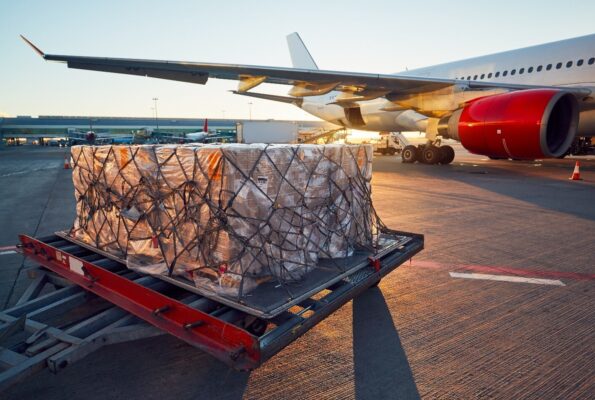
Today, standard business property insurance usually covers items located at the insureds covered premises or within a certain distance (usually 100 feet, sometimes 1,000 feet) from the covered premises. Inland marine insurance, by contrast, protects equipment and tools while in transit or used off premises. For example, standard property insurance covers equipment stored at a warehouse. Inland marine insurance extends coverage to that same equipment when it's in a vehicle, at a client’s location, or on a job site.
Who Needs This Coverage in Hawaiʻi?
Any business owner who frequently transports valuable equipment, machinery, products, or materials over land by vehicle.
Contractors load thousands of dollars' worth of tools into their trucks daily--power saws, nail guns, compressors, and specialty measuring equipment. Annual estimates of construction equipment theft costs range from $300 million to $1 billion, with only 21% of stolen equipment recovered.[2]
Other high-risk businesses include landscapers carrying commercial mowers and irrigation equipment worth thousands, photographers transporting tens of thousands in camera gear between islands, and any business regularly moving equipment valued over $5,000. Standard business insurance probably won't cover losses away from your main location.
What This Coverage Actually Protects
Inland marine insurance covers business property when it's mobile or temporarily away from your business premises.
- Tools, equipment, and temporary storage get protection whether being transported, warehoused by a third party, or stored at job sites. Hand tools, power equipment, measuring devices, specialized machinery. If it's essential to your business and it moves, this coverage follows it.
- Inventory in transit matters for retailers and distributors. When your Waikiki surf shop orders boards from Haleiwa, standard policies won't cover damage or theft during transport.
- Installation work gets special attention. If you install security systems, kitchen equipment, or machinery at client locations, a special endorsement may protect against damage during installation, not just while it sits in your warehouse.
The key difference between standard business property coverage? Inland marine follows your property. Location doesn't matter as long as it's within the coverage territory.
The Fine Print: What's Not Covered
No insurance covers everything. Understanding exclusions prevents claim surprises. Exclusions include:
- Wear and tear, depreciation are not covered. Equipment breaking down from age won't trigger coverage, but theft of that same equipment is covered up to actual cash value.
- Mysterious disappearance creates coverage gray areas. Tools that simply vanish without evidence of theft might not be covered under some policies. However, some modern inland marine policies do cover mysterious disappearance for listed equipment.
- Unattended vehicle requirements catch many business owners off guard. Some policies require equipment to be in locked, enclosed vehicles when unattended. Others exclude coverage entirely for property left in vehicles for extended periods.
- Employee theft may not be covered by standard inland marine policies. You may need separate employee dishonesty coverage.
Getting the Right Coverage: Talking to Your Insurance Agent
Ask your independent insurance agent about inland marine coverage if you feel it may be right for your business. Once you understand your coverage needs, take these steps:
- Inventory your mobile property before meeting with your agent. List tools, equipment, and inventory that regularly travel with your business, including purchase prices and current replacement costs. Photos help document what you own.
- Understand claim requirements upfront. Know what documentation you'll need (serial numbers, photos of major items) before you need it.
- Schedule annual reviews as your business grows. Coverage should grow with your business.
Insurability and your premium depend on several factors including equipment type and value, your business type and associated risks, security measures you use, and your claims history.
Local independent agents understand Hawaiʻi's unique business risks. Be prepared to answer specific questions about your business operations to get the most appropriate recommendation to build your insurance program.
Disclaimer: This article provides general educational information about commercial insurance and should not be considered professional advice. Business insurance needs vary based on individual operations, industry, and risk exposures. Consult with a qualified commercial insurance professional for personalized guidance. This content does not constitute an offer to sell insurance or guarantee coverage availability. Policy terms, conditions, and exclusions vary by carrier and jurisdiction.
Frequently Asked Questions
1. What is inland marine insurance and why is it called "marine" if it covers land-based property?
Inland marine insurance covers business equipment on land, not water. The term originates from historical shipping practices. Merchants once relied on marine insurance to protect cargo during sea transport. As railroads emerged, insurers adopted these policies for goods moving overland, retaining the "marine" label. Today, it protects business property when it's mobile or temporarily away from your business premises.
2. How is inland marine insurance different from standard business property insurance?
Standard business property insurance usually covers items located at the insured's covered premises or within a certain distance (usually 100 feet, sometimes 1,000 feet) from the covered premises. Inland marine insurance, by contrast, protects equipment and tools while in transit or used off premises. The key difference is that inland marine follows your property. Location doesn't matter as long as it's within the coverage territory.
3. What types of Hawaii businesses need inland marine insurance?
Any business owner who frequently transports valuable equipment, machinery, products, or materials over land by vehicle needs this coverage. Contractors who load thousands of dollars' worth of tools into their trucks daily are at high risk, as annual estimates of construction equipment theft costs range from $300 million to $1 billion, with only 21% of stolen equipment recovered. Other high-risk businesses include landscapers carrying commercial mowers and irrigation equipment, photographers transporting camera gear between islands, and any business regularly moving equipment valued over $5,000.
4. What does inland marine insurance actually cover?
Inland marine insurance covers tools, equipment, and temporary storage whether being transported, warehoused by a third party, or stored at job sites. This includes hand tools, power equipment, measuring devices, and specialized machinery. It also covers inventory in transit for retailers and distributors. For businesses that install equipment at client locations, a special endorsement may protect against damage during installation, not just while it sits in your warehouse.
5. What are the main exclusions in inland marine insurance policies?
Inland marine policies don't cover wear and tear or depreciation. Equipment breaking down from age won't trigger coverage, but theft of that same equipment is covered up to actual cash value. Mysterious disappearance creates coverage gray areas, as tools that simply vanish without evidence of theft might not be covered under some policies, though some modern policies do cover mysterious disappearance for listed equipment. Some policies require equipment to be in locked, enclosed vehicles when unattended or exclude coverage for property left in vehicles for extended periods. Employee theft may not be covered by standard inland marine policies and may require separate employee dishonesty coverage.
Sources
- International Risk Management Institute. Inland marine coverage. IRMI; 2024. Accessed October 7, 2025. https://www.irmi.com/term/insurance-definitions/inland-marine-coverage
- National Equipment Register, National Insurance Crime Bureau. 2016 Equipment Theft Report. Verisk Crime Analytics; 2017. Accessed October 7, 2025. https://www.ner.net/wp-content/uploads/2017/10/Annual-Theft-Report-2016.pdf


Related Articles